必知!导轨丝杠正向安装与反向安装工况适配
来源:https://www.jngongrun.com/ 日期:2026-08-06 发布人:
导轨丝杠的安装朝向分为正向安装与反向安装两种方式,两种安装手法的受力状态、刚性表现、适用工况、使用寿命截然不同。很多设备运行晃动、受力不均、局部磨损过快,是因为安装方式与设备工况不匹配,并非配件本身性能不足。本篇详细科普两种安装方式的区别、优势劣势及适配场景,帮助设备合理安装,提升运行稳定性。
The installation orientation of the guide screw can be divided into two methods: forward installation and reverse installation. The force state, rigidity performance, applicable working conditions, and service life of the two installation methods are completely different. Many devices experience shaking, uneven stress, and rapid local wear due to installation methods that do not match the operating conditions of the equipment, rather than insufficient performance of the accessories themselves. This article provides a detailed explanation of the differences, advantages, disadvantages, and adaptation scenarios between the two installation methods, aiming to assist in precise device installation and improve operational stability.
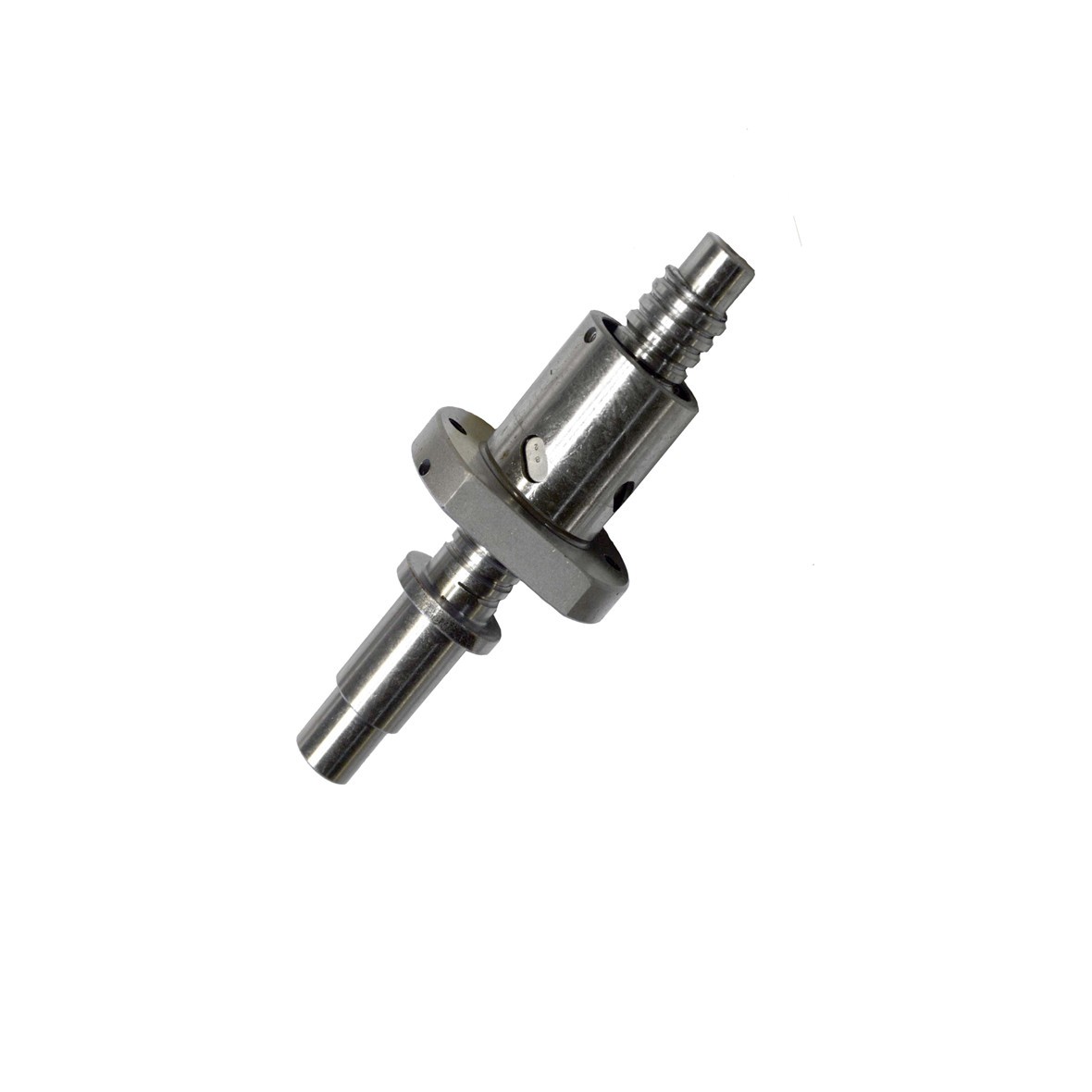
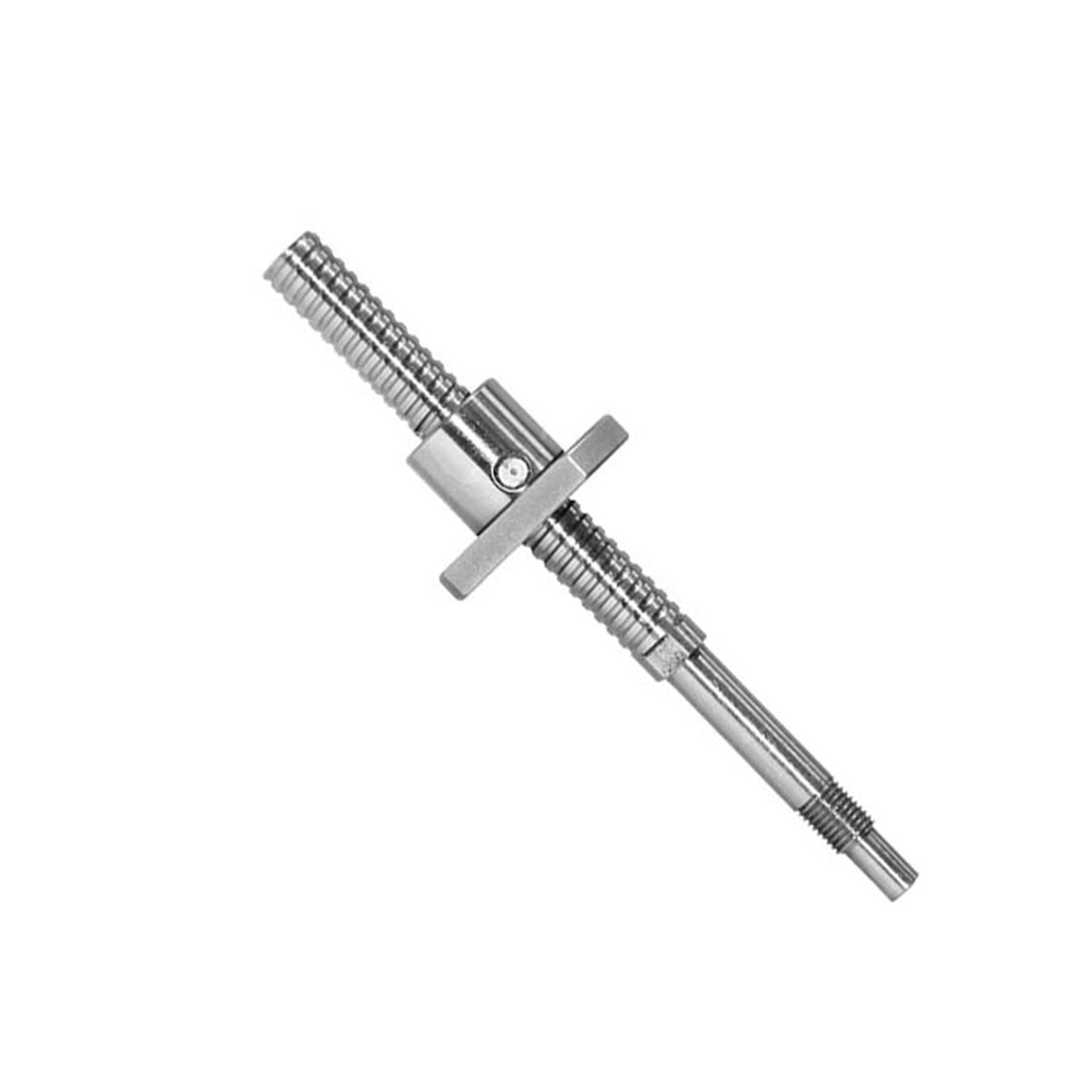
正向安装是行业非常通用的安装方式,即导轨滑块、丝杠螺母朝上安装,承载面垂直向上受力。这种安装方式的核心优势是受力均匀、承重性好、稳定性强,设备负载直接作用于导轨丝杠核心承载结构,刚性利用率非常大化,不易出现单侧形变、受力偏移等问题。同时正向安装结构便于日常清洁、润滑养护,粉尘、油污不易堆积在传动缝隙中,养护便捷性出众。
Forward installation is the most common installation method in the industry, where the guide rail slider and screw nut are installed facing upwards, with the bearing surface subjected to vertical upward force. The core advantages of this installation method are uniform force distribution, good load-bearing capacity, and strong stability. The equipment load directly acts on the core load-bearing structure of the guide screw, maximizing the utilization of rigidity and avoiding problems such as unilateral deformation and force offset. Simultaneously, the forward installation structure facilitates daily cleaning, lubrication, and maintenance. Dust and oil stains are not easily accumulated in the transmission gaps, making maintenance extremely convenient.
正向安装适配绝大多数常规工况,涵盖水平运行的自动化移栽设备、激光雕刻设备、检测设备、中小型数控机床、包装机械等轻中载设备。该安装方式容错率高、稳定性强,对安装工艺要求适中,是通用自动化设备的优选安装方式,长期运行精度衰减慢、磨损均匀、故障率低。
Forward installation is suitable for the vast majority of conventional working conditions, including horizontal operation of automated transplanting equipment, laser engraving equipment, detection equipment, small and medium-sized CNC machine tools, packaging machinery and other light and medium load equipment. This installation method has high fault tolerance, strong stability, and moderate requirements for installation technology. It is the preferred installation method for general automation equipment, with slow accuracy degradation, uniform wear, and low failure rate during long-term operation.
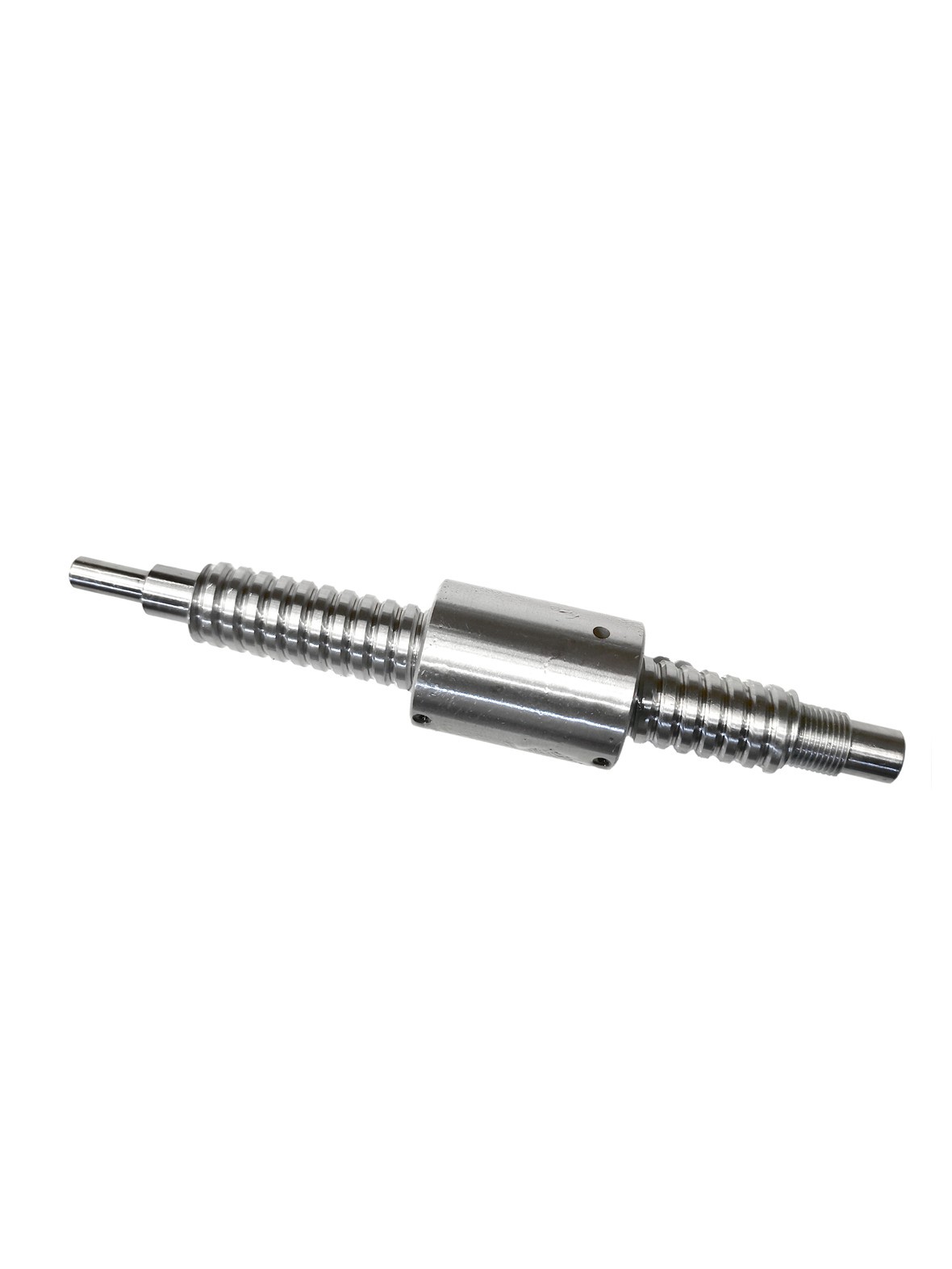
反向安装也称倒挂安装,即导轨丝杠倒置安装,滑块与螺母朝下,多用于设备龙门横梁、倒挂式机械手、立式自动化模组等特殊结构设备。反向安装的核心特点是节省设备下部安装空间,适配紧凑型设备结构设计,能够优化设备整体布局,满足特殊机型的装配需求。但反向安装存在天然短板,部件长期受反向拉力作用,抗颠覆性能减弱,易出现轻微间隙晃动。
Reverse installation, also known as inverted installation, refers to the installation of guide rails and screws upside down, with the slider and nut facing downwards. It is commonly used for special structural equipment such as gantry crossbeams, inverted robotic arms, and vertical automation modules. The core feature of reverse installation is to save installation space at the bottom of the equipment, adapt to compact equipment structure design, optimize the overall layout of the equipment, and meet the assembly requirements of special models. However, reverse installation has natural shortcomings, as the components are subjected to long-term reverse tension, which weakens their anti overturning performance and makes them prone to slight gap shaking.
反向安装对选型和安装工艺要求更高,需选用高刚性、轻预压或中预压配件,抵消反向受力产生的间隙偏差;安装时需严格校准平行度与同轴度,加固固定基座,防止长期倒挂运行松动偏移。同时反向安装粉尘易掉落,不易堆积传动结构,洁净度更高,适合精密倒挂设备,但严禁用于重载、冲击性工况,避免部件形变损坏。根据设备结构与负载需求选择安装方式,是保障设备稳定运行的基础前提。
Reverse installation requires higher selection and installation process requirements, requiring the use of high rigidity, light preloading or medium preloading accessories to offset the gap deviation caused by reverse force; During installation, it is necessary to strictly calibrate the parallelism and coaxiality, reinforce the fixed base, and prevent loosening and displacement during long-term inverted operation. At the same time, reverse installation of dust is prone to falling off and not easy to accumulate in the transmission structure, resulting in higher cleanliness and suitability for precision inverted equipment. However, it is strictly prohibited to use it in heavy load and impact conditions to avoid component deformation and damage. Choosing the installation method based on the equipment structure and load requirements is a fundamental prerequisite for ensuring the stable operation of the equipment.
本文由导轨丝杠友情奉献.更多有关的知识请点击:http://www.jngongrun.com我们将会对您提出的疑问进行详细的解答,欢迎您登录网站留言.
This article is a friendly contribution from the guide screw For more information, please click: http://www.jngongrun.com We will provide detailed answers to your questions. You are welcome to log in to our website and leave a message